Health & Safety Policy — Commercial Waste Pinner Operations
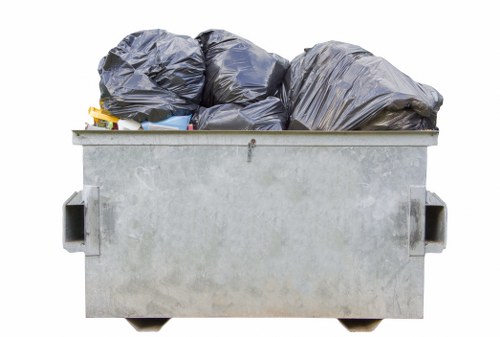 This Health and Safety Policy sets out the commitment of our commercial waste service to provide a safe, healthy and compliant working environment for all staff, contractors and anyone affected by our operations. It applies across our commercial rubbish collection service area and covers routine waste collection, transfer, handling and onsite activities associated with commercial waste in Pinner and surrounding service zones. The policy is designed to be practical, risk-based and proportionate to the types of waste streams we manage, from general commercial refuse to segregated recyclable loads and controlled non-hazardous materials.
Our objective is to prevent injury and ill-health by identifying hazards, assessing risks and applying controls that are clear and consistently enforced. We emphasise continual improvement, ensuring that safety is central to daily operations and reflects the expectations of a professional rubbish company service area. This document should be read alongside operational procedures for vehicle safety, manual handling, lone working and waste containment.
 Risk assessments are a core part of our approach. We systematically evaluate each task and site to identify foreseeable hazards, then implement control measures using the hierarchy of control: elimination, substitution, engineering controls, administrative actions and personal protective equipment (PPE). Assessments are recorded, reviewed periodically and revised when operations change, new equipment is introduced or following any incident.
Scope and Responsibilities
Senior management are accountable for overall health and safety performance and must ensure adequate resources are provided. Supervisors are responsible for day-to-day compliance, risk assessment implementation and staff supervision. Employees have a duty to follow safe systems of work, report hazards, wear required PPE and participate in training. Contractors and temporary operatives are expected to meet the same standards; we will confirm competence before allowing access to operational areas.
Key responsibilities include:
- Management: policy leadership, provision of safe equipment, monitoring and review;
- Supervisors: safe work instructions, job-specific risk assessments, incident follow-up;
- Employees: adherence to controls, hazard reporting and correct use of PPE.
Training, PPE and Safe Systems
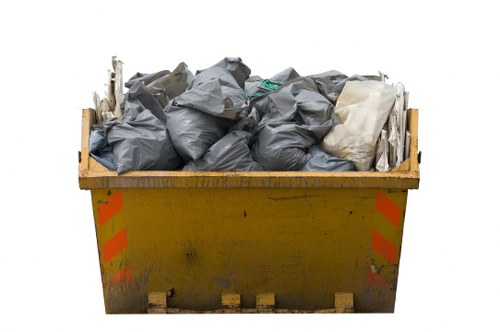 All personnel receive induction training that covers safe lifting techniques, traffic management, confined space awareness where applicable, and manual handling best practice for waste operatives. Ongoing competency checks and refresher courses are scheduled based on role risk, with specific training for hazardous or restricted wastes. We require appropriate PPE such as high-visibility clothing, gloves, eye protection and safety footwear; managers will assess additional PPE needs site-by-site.
Vehicle, Route and Manual Handling Safety
Vehicles used in our commercial rubbish collection in Pinner are maintained under a planned preventative maintenance programme. Drivers and operatives follow route risk assessments to reduce hazards from reversing, loading/unloading and roadside operations. Strong emphasis is placed on safe manual handling: using mechanical aids where possible, team lifts for heavy items and clear exclusion zones during lifting operations. We use signage and traffic cones to protect crews and the public during collections.Hazardous materials are identified at the point of collection. Our policy prohibits acceptance of illegal or high-risk hazardous wastes without appropriate documentation and controls. Where controlled hazardous wastes are handled, only trained staff equipped with specific PPE and containment procedures will manage these loads. Spill kits and containment measures are available on vehicles and at our transfer points, with emergency procedures in place for any release to prevent environmental harm.
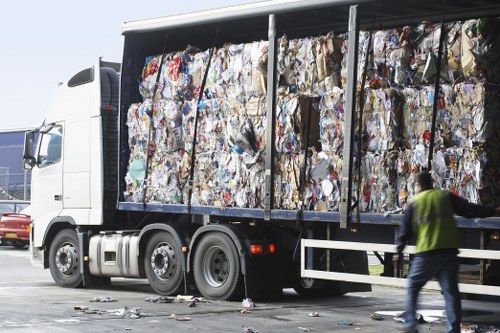 Waste segregation and storage are essential to safety and compliance. Dedicated containers and labelled bays separate general commercial waste, recyclables, food waste and restricted streams. Storage areas are maintained to prevent trip hazards, pests and fire risks. Combustible materials are not stored near ignition sources; smoking is strictly prohibited in operational areas.
 Incident reporting and emergency response protocols are straightforward: all incidents, near-misses and unsafe conditions must be reported immediately. Investigations will identify root causes and corrective actions to prevent recurrence. We maintain a clear escalation process for serious incidents and cooperate with emergency services when required.
Monitoring and performance measurement are essential to ensure the effectiveness of this policy. Regular site inspections, vehicle checks and management reviews will assess compliance. Key performance indicators include accident frequency rates, completion of risk assessments, training completion rates and corrective action closure times. We use this data to drive safety improvements and to reinforce a positive safety culture.
Our approach aligns with statutory duties and recognized good practice without relying on exhaustive legal detail in this policy. We commit to keeping records of training, maintenance, risk assessments and incident investigations. Contractors are required to provide evidence of competence and to work in accordance with our safety expectations during any contract activity within our rubbish company service area.
Policy review and continuous improvement: This Health & Safety Policy will be reviewed annually or sooner if circumstances change, such as new equipment, changes to waste streams or after any significant incident. Management will communicate revisions to all staff and ensure that operational controls are adjusted to maintain safety across our commercial waste operations.
Implementation and culture — Everyone in the organisation plays a role in delivering safe services. By embedding strong leadership, clear responsibilities, regular training and practical controls we aim to provide a resilient, safe service for commercial waste customers and protect the wellbeing of our workforce and the wider public.
