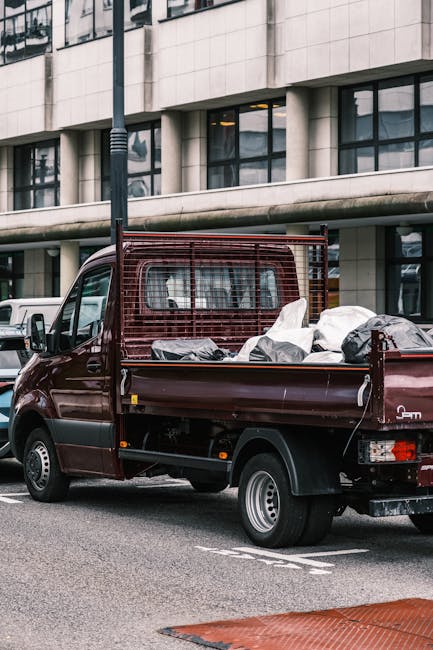
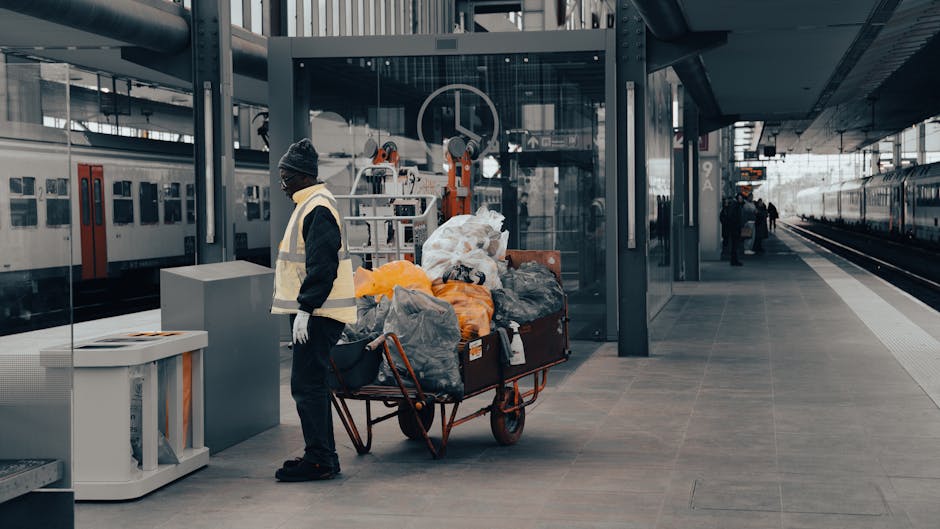
Commercial Waste in Pinner
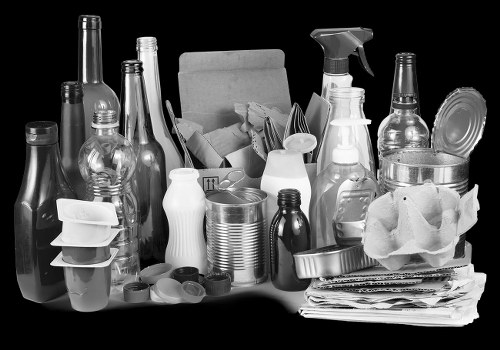
Commercial waste in Pinner needs a practical, tidy and compliant approach, especially where businesses want regular collections, one-off clearances or a dependable route for mixed rubbish. Our service focuses on the removal of business waste from premises of different sizes, with attention to what can be sorted, what should be separated and what needs particular care. That means we can help with everyday non-hazardous waste streams, bulky items and general clearance work that supports a clean working environment.
For many sites, the key is keeping operational disruption low while handling waste responsibly. We work across common commercial settings such as offices, shops, storage areas, workshops and hospitality premises, adapting the collection to the type of material presented. If you are looking to compare options or plan the next step, use the information on this site to see the types of service available and request a quotation when you are ready.
Our approach is straightforward: identify the waste, choose the most suitable service route and remove it in a way that suits the premises. That may involve mixed light waste, old fixtures, packaging from deliveries, office items or bulkier articles that no longer serve a purpose. If you need to prepare, start with a simple list of the main waste types and the access arrangements, then gather any useful details that will help shape the collection. Clear information makes the quote process easier.
Business waste removal for everyday operations
Business waste removal is often about keeping on top of day-to-day clutter before it becomes a storage problem. Offices may need paper, packaging, worn furniture or mixed non-confidential items taken away; trade units may have wrapping, offcuts and general rubbish produced during routine activity. We handle these practical collections with a focus on separating suitable materials and removing them efficiently from the building, yard or loading area.
Where a business generates a steady flow of waste, it helps to choose a service that matches the rhythm of the premises. Some clients need a one-off clear-out after refurbishment, stock changes or reorganising a workspace; others require recurring removal to keep bins and back rooms under control. A sensible plan may include mixed commercial waste, bulky items and recyclable material, depending on what is already on site and what needs to leave the premises in one visit.
Useful waste streams can include packaging, damaged office items, redundant fixtures, empty containers where suitable, and general non-hazardous rubbish gathered from day-to-day activity. If the waste includes anything unusual, it is best to flag that early so the right handling can be arranged. For a clearer picture of costs and scope, you can also review our pricing and quotes information before making an enquiry.
Office clearances, furniture and equipment

Office clearances usually involve a combination of desks, chairs, storage units, filing items, small fittings and general rubbish left after reorganisation or closure. We can support businesses that want items removed from a single room, a floor of workstations or a larger working area that has become crowded with surplus equipment. The aim is to clear items in a controlled way while keeping reusable and recyclable material in mind where possible.
Furniture removal within a commercial setting often needs a little more planning than ordinary refuse collection. Larger pieces may need to be taken apart, moved through narrow access points or carried from upper floors, so it is useful to think about the route out of the property as well as the items themselves. We can help with tables, chairs, shelving and other office furniture, along with suitable disposal for many furniture disposal needs when the items are no longer wanted.
If the clearance includes mixed contents rather than just one category, it can be more efficient to deal with the whole area in one organised visit. That is particularly useful after a move, fit-out or restructure, when old and new items may be mixed together. In some cases, confidential documents may also need separate handling; where that applies, see the page on confidential shredding for a more specific service route.
Bulky items, appliances and specialist removals
Some commercial waste is too awkward for standard bins and needs a planned removal instead. Bulky stock, broken appliances, redundant display units and worn seating can quickly fill valuable space, especially when the items are waiting in corridors, stockrooms or back offices. Our service can cover those larger pieces alongside general waste, provided the items are suitable for the collection route and do not require a separate specialist process.
Where appliances are involved, it is important to distinguish between ordinary office equipment and items that need specific treatment. Fridges, freezers and similar units should not simply be mixed in with standard rubbish, because they may contain components that need to be managed correctly. We can help direct suitable items through our fridge and appliance removal service, while other non-hazardous bulky objects are handled through the broader waste clearance route.
For businesses disposing of mattresses, sofas or soft seating from reception areas, visitor spaces or staff rooms, dedicated handling can also be useful. These items may be large, awkward and difficult to store before collection. When they are part of a wider clear-out, we can separate the practical streams and use the most suitable disposal method available, with mattress and sofa disposal as an option where relevant.
Site clearances for storage areas and back-of-house spaces

Commercial premises often accumulate waste in places that are not intended for long-term storage: garages, rear rooms, cupboards, basements and utility spaces can all become crowded over time. A targeted site clearance helps recover usable space without turning the job into a bigger disruption than it needs to be. We can remove general waste, discarded fixtures and bulky items from these areas, then leave the space ready for the next stage of use.
For businesses with mixed premises, it can be useful to think in zones. A front-of-house area may contain furniture or display items, while the back-of-house section holds packaging, broken stock crates or old materials. Separating those waste types at the point of collection can make disposal more efficient and can also help identify anything that should be treated differently. If a full premises clear-out is needed, our home clearance and house clearance pages show related clearance services that may help explain the broader approach.
Clearances are often easiest when the main objects to be removed are grouped in advance, but there is no need to overcomplicate the process. A short description of what is present, how much there is and where it is located is usually enough to begin. If you are comparing service options for a smaller space, you may also find the garage clearance and loft clearance pages useful as examples of how we handle compact, cluttered areas.
Recycling, reuse and responsible disposal
Responsible commercial waste work is not only about taking items away; it is also about deciding what can be sent for recycling, what may be suitable for reuse and what must be disposed of through the proper route. Different waste streams need different handling, especially where metal, paper, cardboard, timber, plastics or electrical items are involved. We aim to manage each collection with sensible sorting in mind so that avoidable waste is not all treated in the same way.
Many businesses want a simple solution, but a simple solution still needs to be thoughtful. Items that look similar can have different disposal requirements, and mixed loads may contain material that should be separated before onward processing. That is why it helps to describe the contents carefully when arranging collection. For businesses with a sustainability policy or reporting requirement, our recycling and sustainability page sets out the general direction of our approach in more detail.
There are also some items that should be handled only through a suitable specialist route. Hazardous or restricted materials are not treated in the same way as ordinary commercial rubbish, so if your site includes chemicals, contaminated waste or other controlled items, it is better to ask about the correct process before any collection is arranged. See hazardous waste disposal for material that may require separate consideration.
Pricing factors, access and quotation details

Commercial waste pricing depends on more than the amount of material alone. The type of waste, the volume, the ease of access, the time needed on site and the disposal route all affect the quotation. Some jobs involve straightforward loading from a ground-floor entrance, while others require extra handling because items are on upper levels, in back rooms or mixed among equipment that must remain in place. Describing the site clearly helps shape a realistic price.
It is also worth separating the waste by broad type if you can do so without creating extra work. For example, paper, furniture, appliances and mixed rubbish may all be part of the same clearance, but they may influence the quotation in different ways. If you already know which items are being removed, list them in plain language and include anything that might affect access, parking or loading. You can then use the book online page if you prefer a simple starting point for the enquiry process.
When requesting a quotation, it helps to note the size of the job, the type of premises and any items that need special handling. That does not mean producing a perfect inventory; a practical description is enough. If you are unsure whether an object belongs in the general commercial waste stream or a more specific disposal category, ask before arranging collection. For a broader service overview, the waste removal page may also help you compare the main routes available.
Waste removal for different business settings
Commercial waste can arise in many settings, and each one tends to produce a slightly different mix of items. An office may have furniture and paperwork; a retail unit may have packaging, damaged fixtures and display materials; a workshop may generate offcuts, protective packaging and broken equipment. Our service is designed to work across those varied environments without forcing every job into the same pattern.
That flexibility matters because not every business wants the same level of involvement. Some prefer a simple collection of pre-sorted waste; others want a broader clearance of an area that has built up over time. In either case, the aim is to remove the unwanted material cleanly and leave the premises easier to manage. If you need a broader commercial comparison, business waste removal explains the core service in a more focused way.
Where items are still in reasonable condition, it may be sensible to consider whether any can be reused before disposal. Where they cannot, the priority becomes safe loading, sensible sorting and proper onward treatment. For larger jobs involving premises that are being emptied or reconfigured, you may also want to look at office clearance as a related service page that covers the same kind of organised removal work from a different angle.
About Pinner
Pinner is a historic settlement in the London Borough of Harrow, in northwest London, and it retains a village-like centre that sets it apart from some of the more densely built parts of the capital. Its history can be traced back many centuries, and the name appears in early medieval records. The area developed around Pinner Green and the parish church of St John the Baptist, whose tower and older fabric reflect the long continuity of settlement in the district. Much of the local character comes from the relationship between older streets, later suburban housing and the open green spaces that remain nearby. The High Street contains a mix of small-scale shops, pubs and local services, while the surrounding residential roads show the gradual spread of suburban development that followed the arrival of better transport links. Pinner station, on the Metropolitan line, helped shape that growth and still connects the area with central London and other parts of the wider capital. The district also includes well-known annual and seasonal traditions, with community events that reinforce its local identity. Nearby, Pinner Memorial Park provides a large open space with paths, gardens and leisure facilities, while Harrow Weald and Hatch End lie close enough to share some of the same suburban character without being the same place. The area’s older buildings, conservation interest and green margins make it feel distinct within Greater London, combining a long-established historic core with the everyday life of a modern outer-London neighbourhood.
Clearance support for changing premises
Businesses do not always need the same type of waste help every time. A site being refitted may generate packaging and broken fittings; a storage room may need old stock removed; a growing office may simply need an overdue clear-out of surplus furniture and mixed waste. Our service is intended to support those moments when a practical removal is needed without unnecessary complexity. The objective is to make the premises easier to use again.
It can also be useful to think about what should happen before collection day. If an area is crowded, you may wish to separate items by broad type, mark anything that should stay in place and ensure access routes are clear enough for the removal process. Good preparation does not need to be elaborate. A basic description of the waste and the setting is often enough to start. If you prefer to review the service route first, about us gives a broader overview of the business behind the work.
If you are ready to take the next step, use the details on this site to compare the relevant service pages and decide what suits your premises best. A careful quote request, supported by a straightforward description of the waste, is usually the fastest way to move forward. For the final step, please request a quotation.